
Starting an anti-inflammatory way of eating can feel overwhelming in the supermarket. The good news is that there is no single magic food and nothing exotic to hunt down. What matters is the overall pattern: more plants, more healthy fats and oily fish, and fewer heavily processed foods. Use this list as a starting point, not a rulebook.
How to use this list
- Aim for half a basket of plants. Vegetables, fruit, beans, wholegrains, nuts and seeds should make up the bulk of what you buy.
- Don't buy everything at once. Pick two or three new items a week and build up your store cupboard gradually.
- Fresh, frozen and tinned all count. Frozen vegetables and berries are picked and frozen quickly, and tinned fish and pulses are cheap, long-lasting staples.
Fruit and vegetables
- Leafy greens: spinach, kale, rocket, watercress
- Cabbage family: broccoli, cauliflower, cabbage, Brussels sprouts
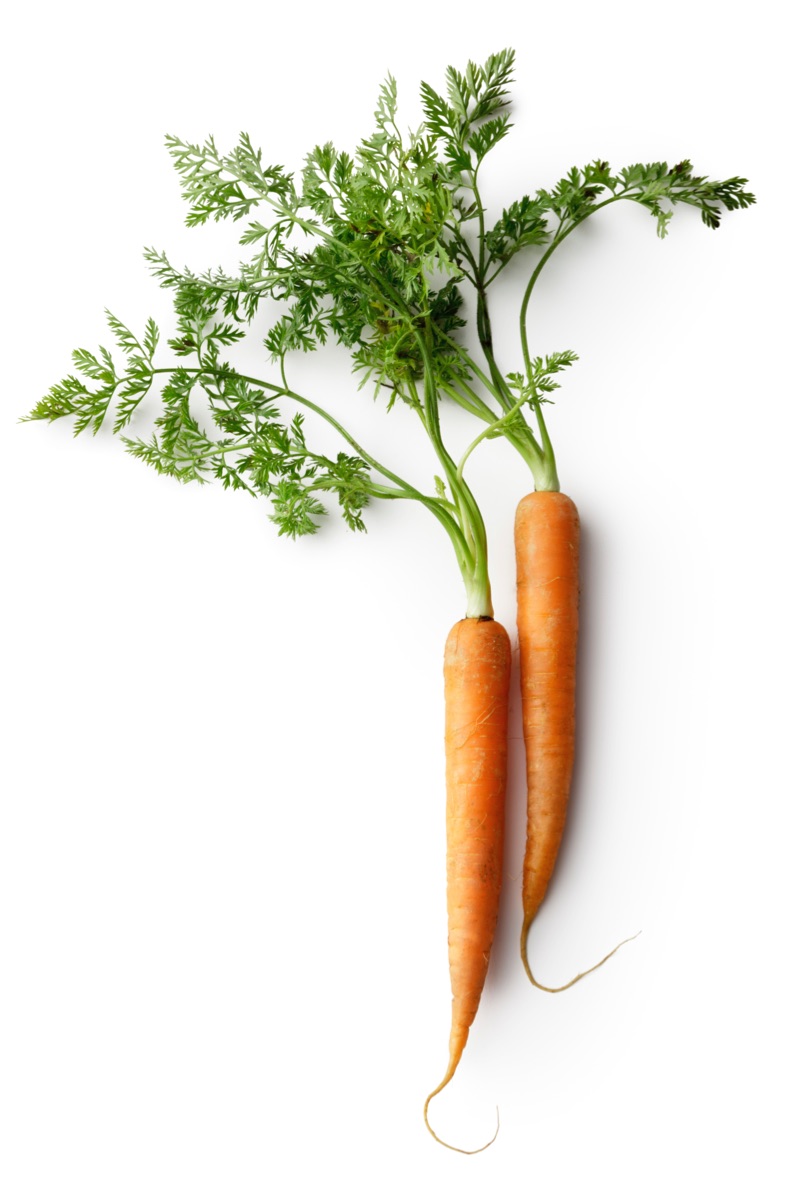
- Colourful vegetables: carrots, beetroot, red onions, squash, peppers and tomatoes (if they suit you)
- Flavour builders: onions, garlic, fresh ginger, lemons and limes
- Fruit: berries (frozen are fine), apples, pears, oranges, kiwi
- Fresh herbs: parsley, coriander, basil, mint
Colour is a handy guide. Different colours come from different plant compounds, so a varied mix gives you a wider range of nutrients and more fibre for your gut. We explain why that matters in gut health and skin: is there a connection?
Fish, eggs and protein
- Oily fish: salmon, mackerel, sardines, herring, trout. The NHS recommends at least two portions of fish a week, one of them oily.
- Tinned fish: sardines, mackerel and salmon are affordable sources of omega-3 fats. Tinned tuna doesn't count as oily fish.
- Pulses: lentils, chickpeas, kidney beans, black beans. Dried or tinned both work; rinse tinned ones.
- Eggs and poultry for easy everyday protein
- Tofu or tempeh if you eat a mostly plant-based diet
Grains and starchy foods
- Porridge oats
- Wholemeal or seeded bread
- Brown rice, wholewheat pasta, quinoa, pearl barley
- Potatoes and sweet potatoes, cooked with their skins on for extra fibre
If you have coeliac disease, choose naturally gluten-free options such as quinoa, buckwheat, brown rice and oats labelled gluten-free.
Fats, nuts and seeds
- Extra virgin olive oil for dressings and everyday cooking
- Rapeseed oil for roasting at higher temperatures
- Nuts: walnuts, almonds, hazelnuts (unsalted)
- Seeds: chia, ground flaxseed, pumpkin and sunflower seeds
Walnuts, chia and flaxseed contain a plant omega-3 called ALA. Your body converts only a small amount of it into the omega-3s found in oily fish, so they are a useful addition rather than a replacement.
Dairy and alternatives
- Natural yoghurt or kefir
- Small amounts of cheese with strong flavour, so a little goes a long way
- If you choose plant milks, pick unsweetened versions with added calcium
Herbs, spices and store cupboard
- Turmeric, ground ginger, cinnamon, cumin and black pepper. Curious about turmeric? Read does turmeric really calm inflammation?
- Dried oregano, thyme and chilli flakes (if tolerated)
- Tinned chopped tomatoes, passata and low-salt stock
- Vinegar, mustard and lemon juice for quick dressings
Drinks
Water should be your main drink. Tea and coffee are fine in sensible amounts. Sugary soft drinks and alcohol are the two things most worth cutting down, and alcohol is a recognised psoriasis trigger.
Easy swaps for your next shop
| Instead of | Try |
|---|---|
| White sliced bread | Wholemeal or seeded bread |
| Sugary breakfast cereal | Porridge oats topped with berries and seeds |
| Crisps | A small handful of unsalted nuts |
| Ham or salami sandwiches | Tinned salmon, egg or hummus fillings |
| Butter for frying | Olive or rapeseed oil |
| Fizzy drinks | Sparkling water with a slice of lemon or lime |
| Ready-made sauces | Tinned tomatoes, garlic, herbs and olive oil |
Reading labels in 30 seconds
You don't need to study every packet, but a few quick checks help:
- Look at the front-of-pack colours. Many UK products use red, amber and green labels for fat, saturated fat, sugars and salt. More greens and ambers, fewer reds, is a good rule of thumb.
- Check the first ingredient. For bread, crackers and cereals, a wholegrain flour or oats should come first.
- Watch for hidden sugar in yoghurts, granola, sauces and "healthy" snack bars, where it may appear as syrup, honey or fruit juice concentrate.
- Prefer short ingredient lists made of foods you recognise.
A simple starter basket
If you only change a few things this week, try this: a bag of porridge oats, frozen mixed berries, a bag of spinach, a head of broccoli, a tin of mackerel or sardines, a tin of chickpeas, a small bag of walnuts, a bottle of extra virgin olive oil and a lemon. That is enough for several breakfasts, a couple of quick lunches and a simple dinner, and every item keeps for a while.
Keeping it affordable
- Buy frozen berries, spinach and mixed vegetables for smoothies, porridge and stir-fries.
- Rely on tinned fish and pulses for cheap protein.
- Choose supermarket own-brand oats, rice and pasta.
- Cook a big batch of soup, stew or dahl and freeze portions. Our recipe collection has plenty of ideas.
This list follows the same principles as the Mediterranean diet. To see how the two approaches compare, read Mediterranean diet vs anti-inflammatory diet. And if you want help turning a shopping list into meals you actually enjoy, a TREAT coach can review your meal photos and suggest simple upgrades as part of our psoriasis diet coaching.
Please note: this article is general information, not medical advice. Diet changes are not a replacement for the treatment your doctor or dermatologist recommends. Talk to them before making big changes, especially if you take prescribed medicines, are pregnant or have a history of disordered eating.