
The idea that your gut and your skin are connected has moved from wellness blogs into serious research. Scientists now talk about a "gut-skin axis", and studies in psoriasis and eczema are trying to work out how it might work. Here we answer the most common questions about what is known, what is not, and what you can sensibly do about it.
What is the gut-skin axis?
Your gut is home to trillions of microbes, known together as the gut microbiome, and a large part of your immune system sits along the gut wall. Gut bacteria break down fibre from plant foods and produce short-chain fatty acids such as butyrate, which help keep the gut lining healthy and help regulate immune responses. The gut-skin axis is the idea that changes in this system, such as a less diverse mix of bacteria or a weaker gut barrier, might influence inflammation elsewhere in the body, including the skin.
What have studies found in psoriasis?
Two findings stand out. First, people with psoriasis have a higher risk of inflammatory bowel diseases such as Crohn's disease and ulcerative colitis than people without it, which suggests shared immune pathways. Second, many studies have found differences in the gut bacteria of people with psoriasis compared with people without it.
The catch is that the results are inconsistent. A 2025 systematic review found that studies disagree about which bacteria are different, and most were small and observational. That means we cannot yet say whether gut changes help cause psoriasis, result from it or its treatment, or simply happen alongside it.
And in eczema?
Research on eczema (atopic dermatitis) has focused heavily on early life, looking at how the microbiome develops in babies and whether that affects the risk of allergic conditions. Trials of probiotics for preventing or treating eczema have produced mixed results, and experts generally say the evidence is not strong enough for routine recommendations.
Should I take a probiotic?
Possibly, but don't expect too much. A few small trials of probiotic supplements in psoriasis have reported encouraging results, and reviews describe the evidence as promising but limited. Products vary widely in which strains they contain and how much, so a result from one study does not apply to every product on the shelf. If you want to try one, tell your doctor or pharmacist, particularly if you take medicines that affect your immune system.
Are fermented foods worth eating?
They are a reasonable addition. In a 2021 study at Stanford University, healthy adults who ate more fermented foods such as yoghurt, kefir, kimchi and sauerkraut for ten weeks had a more diverse gut microbiome and lower levels of several inflammatory markers. It was a small study in healthy people, not in psoriasis, but fermented foods are an easy, food-first way to experiment.
Do I need a gut microbiome test?
Probably not. Home microbiome tests can tell you which bacteria were in a sample, but there is no agreed definition of a "healthy" microbiome to compare it with, and the results are not used to diagnose or treat psoriasis or eczema. Your money is usually better spent on vegetables.
What about "leaky gut"?
Researchers do study increased intestinal permeability, and it has been reported in some inflammatory conditions. But "leaky gut syndrome" is not a recognised medical diagnosis, and you should be cautious of anyone selling expensive tests or supplements to treat it.
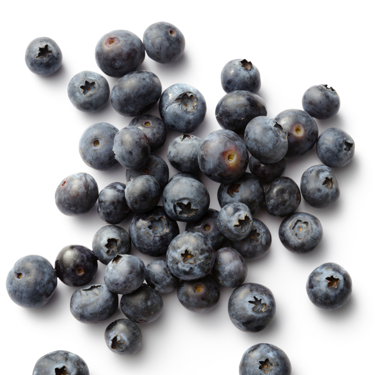
Everyday habits that support a healthy gut
Whatever the final verdict on the gut-skin axis, these habits are good for your overall health:
- Eat more fibre. UK guidelines recommend 30g a day, while the NHS says most adults manage only about 20g. Wholegrains, beans, lentils, vegetables, fruit, nuts and seeds all help.
- Go for variety. Different plants feed different bacteria. Try to add a new vegetable, grain or pulse each week. Our beginner's anti-inflammatory shopping list has plenty of ideas.
- Include fermented foods such as natural yoghurt, kefir or sauerkraut if you enjoy them.
- Enjoy polyphenol-rich foods like berries, extra virgin olive oil, herbs, tea and a little dark chocolate.
- Eat fewer ultra-processed foods, which tend to be low in fibre.
- Increase fibre gradually and drink enough water, to avoid bloating.
This is essentially a Mediterranean-style way of eating, which has the strongest research behind it of any eating pattern for inflammation. See how it compares in Mediterranean diet vs anti-inflammatory diet. Fibre and hydration are also two of the building blocks in the TREAT programme.
A gut-friendly day
- Breakfast: porridge with berries, ground flaxseed and a spoonful of natural yoghurt
- Lunch: lentil and vegetable soup with a slice of seeded wholemeal bread
- Snack: an apple and a small handful of nuts
- Dinner: salmon with roasted vegetables, brown rice and a spoonful of sauerkraut on the side
That simple day includes oats, berries, seeds, lentils, several vegetables, wholegrains, fruit, nuts and a fermented food, and it gets you most of the way to 30g of fibre.
When to see your GP
Because inflammatory bowel disease is more common in people with psoriasis, don't ignore gut symptoms. See your GP if you have ongoing diarrhoea, blood in your stools, tummy pain that keeps coming back or unexplained weight loss.
If you would like support adding more fibre and variety without upsetting your digestion, our psoriasis diet coaching can help you build changes in step by step.
Please note: this article is general information, not medical advice. Diet changes are not a replacement for the treatment your doctor or dermatologist recommends. Talk to them before making big changes, especially if you take prescribed medicines, are pregnant or have a history of disordered eating.