
When you live with psoriasis, eczema or another autoimmune or inflammatory condition, it is natural to wonder whether something you ate caused a flare. The trouble is that memory is unreliable, and symptoms often appear days or weeks after whatever set them off. A food and symptom diary turns vague hunches into something you, your doctor and your coach can actually look at.
Why a diary helps
Flares rarely have a single cause. Stress, poor sleep, infections, hormones, the weather, skin injuries, alcohol and changes in medication can all play a part, alongside food. A good diary captures all of these, so that when you spot a pattern you can check whether something else was going on at the same time. It also gives your GP or dermatologist a clear record to discuss at your next appointment.
Step 1: Decide what to record
| What | Example | Why it matters |
|---|---|---|
| Meals, snacks and drinks | Time, what you ate and roughly how much | The core of the diary; a photo makes it quicker |
| Symptoms | Itch 6/10, new patch on elbow, stiff fingers | A simple 0-10 score makes trends easier to see |
| Alcohol | Two glasses of wine with dinner | A recognised psoriasis trigger |
| Sleep and stress | Five hours' sleep, deadline at work | Both can affect flares |
| Medicines and creams | Missed treatment, new prescription | Changes in treatment can explain changes in symptoms |
| Other events | Cold or sore throat, period, sunny holiday | Infections, hormones and sunlight all influence skin |
Step 2: Keep it simple
The best diary is the one you actually keep. A notebook, a notes app or a spreadsheet all work. A daily entry might look like this:
| Date | Food and drink | Symptom score | Notes |
|---|---|---|---|
| Mon | Porridge with berries; chicken salad; salmon, rice and greens; 2 coffees | Itch 4/10 | Slept well |
| Tue | Toast; leftover pasta; takeaway pizza; 2 beers | Itch 5/10 | Stressful day |
Taking a quick photo of each meal is often easier than writing it down, and it records portion sizes and ingredients you might forget.
Step 3: Keep going long enough
Record your usual eating for at least two to four weeks before you change anything. This gives you a baseline to compare against. Then keep the diary going while you test any change, and for a while afterwards. Skin in particular renews slowly, and the effects of dietary changes can take several weeks or even months to show.
Step 4: Look for patterns, carefully
- Look for repeats. One bad day after a curry proves little. A flare that follows the same food three or four times is worth investigating.
- Allow for delays. Digestive symptoms may appear within hours, while skin and joint symptoms may lag by days or longer.
- Check for other explanations. Was that flare also during a stressful week, a cold or a run of poor sleep?
- Test one thing at a time. If a food looks suspicious, remove only that food for a set period, then reintroduce it. Our guide to foods that may trigger psoriasis flare-ups explains how, and nightshades and inflammation: fact or myth? walks through a worked example.
Coincidence or a real pattern?
Imagine your diary shows a flare on three Mondays in a row. At first glance, Sunday's roast looks guilty. Look again, and those Sundays also involved a few drinks, a late night and a stressful start to the working week. Alcohol, poor sleep and stress are all known to affect psoriasis, so the roast potatoes may be innocent. The way to find out is to change one factor at a time, for example skipping the drinks for a few weekends while keeping the meal, and see what your diary shows.
Common pitfalls
- Changing too much at once. If you cut out five foods and feel better, you won't know which one mattered, and you may be avoiding four foods for no reason.
- Cutting out whole food groups long term. This can leave gaps in fibre, calcium, protein or vitamins. Get advice first.
- Relying on unproven tests. Shop-bought food intolerance tests that measure IgG antibodies are not recommended by allergy specialists, because raised IgG levels usually just reflect that you have been eating a food, not that it is harming you.
- Letting it take over. If tracking food starts to make you anxious, or you have a history of disordered eating, stop and talk to your GP before continuing.
Step 5: Share it
Bring your diary, or a summary of it, to your GP or dermatologist appointment. Clear notes on when flares happened and what else was going on can help them judge whether your treatment is working and whether a referral, for example to a dietitian, would help.
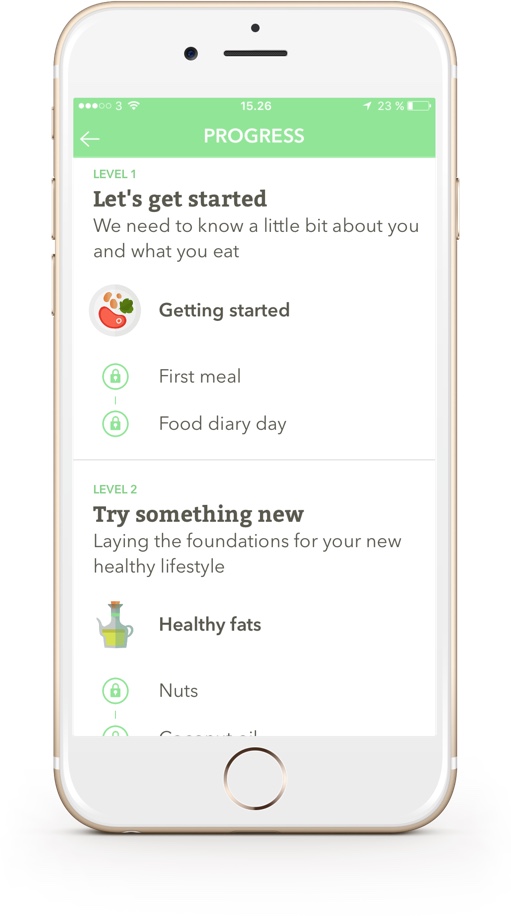
This is also the idea behind TREAT. You snap a photo of each meal, your coach gives feedback, and over time you both build a clear picture of how you eat. Diaries and gradual change are built into the TREAT programme, and our psoriasis diet coaching puts a nutrition coach at your side. You can read about the people behind it on our health team page.
If you are just starting out, a balanced, Mediterranean-style diet is a good baseline to record against. See how it compares with other approaches in Mediterranean diet vs anti-inflammatory diet, and look after your digestion with the tips in gut health and skin: is there a connection?
Please note: this article is general information, not medical advice. Diet changes are not a replacement for the treatment your doctor or dermatologist recommends. Talk to them before making big changes, especially if you take prescribed medicines, are pregnant or have a history of disordered eating.